
Closing Up the Cottage for Winter: What Insurance Expects
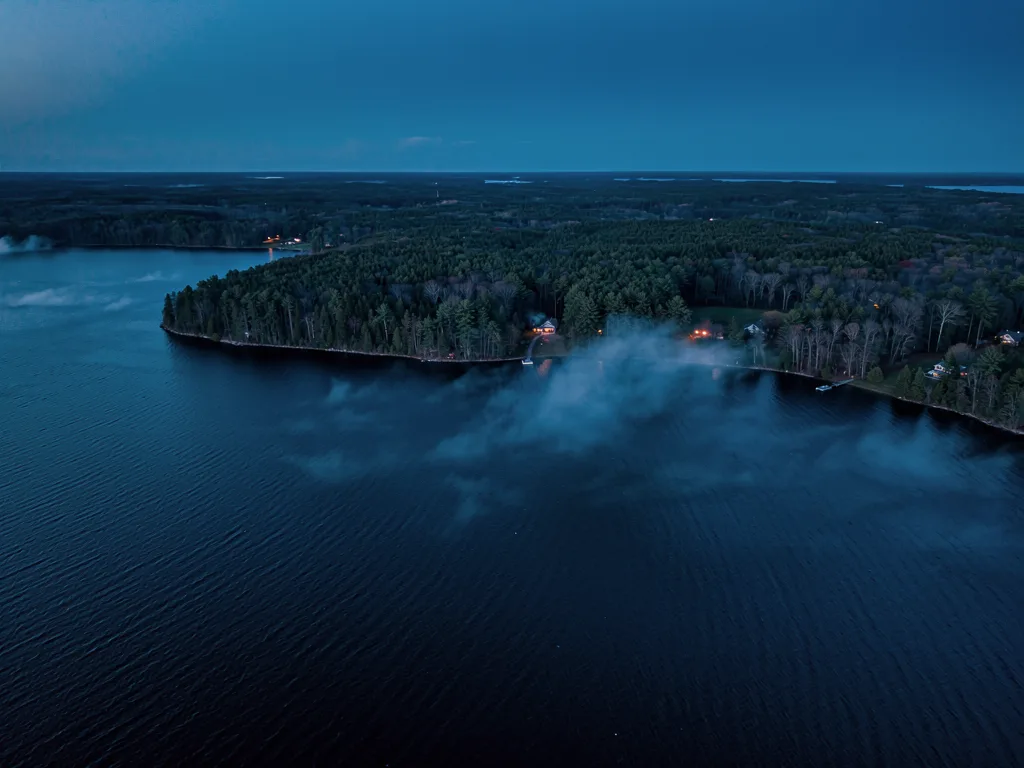
Closing up a cottage for winter comes down to two insurance questions. Does your carrier know how the place is really used, and did you take the steps it expects for a home nobody is living in? Most homeowners policies have wording about vacant or unoccupied homes.
Around Indian River, Burt Lake and Mullett Lake, a lot of places close sometime in October and don’t open again until the ice is out. That is normal up here.
What does “vacant” or “unoccupied” mean on a homeowners policy?
The Insurance Information Institute notes that most homeowners policies include a vacancy clause that limits or excludes coverage once a property has been empty for a set run of consecutive days. That number is not the same everywhere. Neither is the definition.
Some policies treat “vacant” and “unoccupied” as two different things. One usually means empty of people and belongings. The other usually means furnished, but nobody is living there right now.
Look in your policy for the section on conditions or exclusions and read what it says about vacancy, unoccupancy and freezing. If it reads like a riddle, call or stop in with your questions.
Does homeowners insurance cover frozen pipes in a seasonal home?
It may, subject to the coverage and limits on the policy. Remember to take steps in order to maintain your unoccupied seasonal property such as keeping a minimum of 55 degrees or higher and properly winterizing the water supply.
The Insurance Information Institute puts it plainly: a second home is more exposed to damage that goes unnoticed, like a burst pipe, because nobody is there to see it. A split line in January can run a long time before anyone notices.
A practical checklist for closing up the cottage
Every place is different, and your policy may ask for specific things. Here is a list worth working through before you leave.
- Water off and drained. Shut off the main and drain the lines, or have a plumber winterize the system if you’re not sure how. The American Red Cross also says to remove and drain outdoor hoses, close the inside valves feeding outdoor spigots, and leave the outside spigots open so leftover water can expand without breaking the pipe.
- Heat set, if you’re keeping it on. The Red Cross advises leaving the heat at no lower than 55 degrees F when you’re away in cold weather. A woodstove only works while someone is there to feed it, so tell us what heats the place.
- Someone checking in. A neighbor, a caretaker or a family member who lives close. Find out whether your policy says anything about how often the home should be checked. A temperature alarm that texts your phone is worth asking about too.
- Snow on the roof. Our winters bring real snow, and a roof nobody is watching can carry a lot of it. Line up someone who can look at the roof after a heavy storm and clear it if needed.
- Electrical. Unplug what doesn’t need power. Leave on what does, like the heat, a sump pump or an alarm.
- Photos and an inventory. Michigan DIFS suggests photos or video of each room, closet, garage and outbuilding, kept somewhere other than the house. DIFS also points to the free NAIC Home Inventory app. A cottage furnished over thirty years usually holds more than people guess.
- Dock, hoist and boat. Pull them and properly secure them for the winter. Remember to specifically schedule these items and to supply us with the appropriate limit of coverage needed for each dock, hoist and boat.
Is your cottage seasonal, year-round or rented? Tell us.
How a home is used is one of the first things an insurance company asks about, and it changes quietly over the years. For example, somebody lists it on a rental site one summer and nobody thinks to call the agent.
That can change which policy fits. The Insurance Information Institute also says renting out a vacation home will likely raise what you pay and may call for more coverage. A standard homeowners policy may not respond to a claim tied to a paying guest.
Tell us early how the place is used. The bad time to find out is in the middle of a claim. We are an independent agency, which means we will shop for you across many carriers in an effort to find you the best coverage at the best rate. You can read more about how we approach this on our home and lake home insurance page, or on the page for home insurance in Indian River.
Why we ask so many questions
We’ve been writing policies up here since 1949, and from Cheboygan down to Burt Lake, the cottage is part of life. We ask how the place is used, what heats it and who keeps an eye on it because those are the answers that matter when something goes wrong in February. We understand and we are here to help because we live here too.
Before you lock the door
Take ten minutes with your policy and this list. If anything is unclear, or the way you use the cottage has changed, call us at 231-238-9882 or stop in at 3785 S. Straits Hwy. in Indian River. You’ll talk to an actual person who will be happy to help you. If you’d rather start online, you can request a quote here.
Questions we get asked.
Does homeowners insurance cover a cottage that sits empty all winter?
It can, but most homeowners policies have wording about vacant or unoccupied homes that can limit coverage after a stretch with nobody living there. How long that stretch is and what it limits differs from policy to policy. Read the conditions in your own policy, and call or stop in with any questions about the wording.
Are frozen pipes covered if I close up my cottage?
Sudden water damage from a burst pipe may be covered, subject to the coverage and limits on the policy, but policies generally expect you to keep the heat on or shut off and drain the water when a home is left empty. If the insurance company decides the freezing came from skipping those steps, the claim may not be paid. Check what your policy asks for before you leave.
Do I need to tell my agent if I rent out my cottage?
Yes. Renting to paying guests changes the risk, and a standard homeowners policy may not respond to a claim tied to a rental. Tell your agent how many weeks you rent and how you book guests so the policy can be written to match.
What temperature should I leave the heat at in a closed-up cottage?
The American Red Cross says that if you are away during cold weather, you should leave the heat on at no lower than 55 degrees F.
Related coverage
Need home insurance?
We will shop it across our carriers, then call you back and talk it through. No obligation.