
Business insurance.
Contractors, shops and seasonal operations, written by someone who knows the season is short.
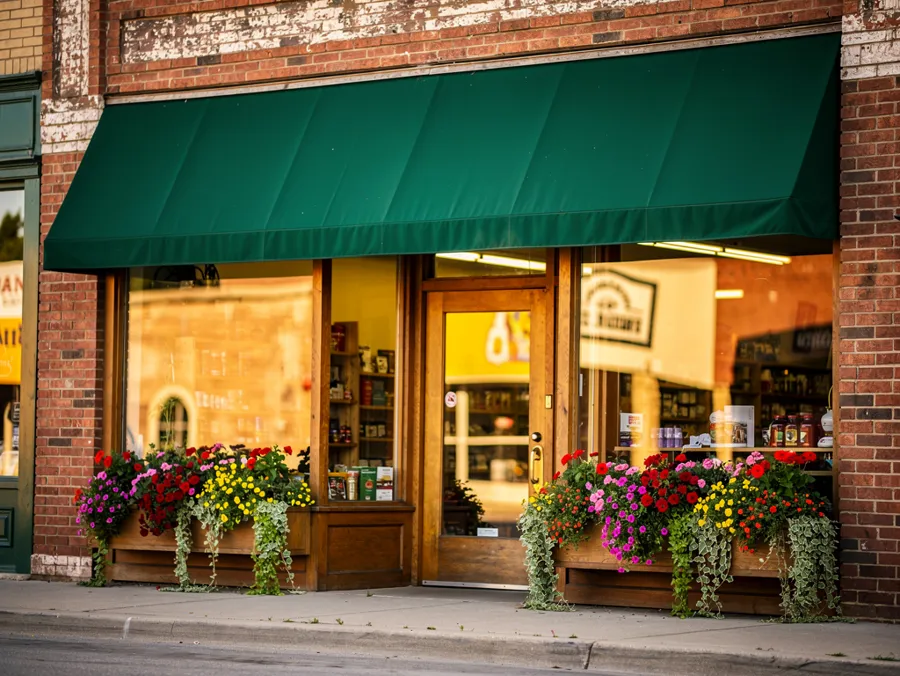
Most of the businesses around here are small, seasonal, or both. A contractor with two trucks. A shop that does most of its year between Memorial Day and color season. A marina, a rental cabin operation, a restaurant that closes in the shoulder months.
Those are not the risks a national quoting engine is built for. We would rather ask what you actually do, in what months, with whose equipment, and then go find the carrier that prices that honestly.
What a business policy can cover.
-
General liability
Insurance that protects businesses from claims involving bodily injury, property damage, and personal injury that may occur during normal business operations. It helps cover legal costs and damages if the business is found liable for such claims.
-
Commercial property
Building, contents, stock and equipment. Seasonal swings in inventory value are worth telling us about.
-
Business income and extra expense
Income while you are shut down after a covered loss. Help with additional costs to potentially continue operations during recovery. Extra expense can offer you reasonable additional funds to help you run your business while you rebuild. An example might be, the carrier paying for a tent rental that you can run your business out of while your building is repaired from a covered fire loss.
-
Commercial auto
Trucks, vans and trailers used for work. Personal auto policies exclude a lot of business use.
-
Workers compensation
Required once you have employees in Michigan, with specific thresholds. Worth confirming rather than guessing.
-
Inland marine and tools
Equipment that moves. Contractors’ tools, and property in transit or at a job site.
All subject to the coverage and limits on the policy.
How seasonality changes the answer.
A business that earns most of its revenue in fourteen weeks has a different exposure profile than one earning evenly all year. A fire in February and a fire in July are not the same event for your books, and business interruption coverage should reflect that.
Tourism traffic also means your customer count swings hard. Premises liability, parking, docks and water access all get busier in the same weeks the staff is newest.
And a lot of operators here run equipment across property they do not own, on lakes, or on state land. Where the work happens is an underwriting question, so it is worth being specific.
Worth raising before you buy.
Certificates of insurance
If you contract with anyone larger, you will be asked for certificates and specific limits. Bring the contract and we will read the insurance requirements with you.
Employees versus subcontractors
How you classify people drives workers compensation and liability. Getting it wrong is expensive at audit.
Grow into the policy
Coverage bought at three employees is usually wrong at twelve. Tell us when the business changes shape, not at renewal.
Questions we get asked.
- Do I need workers compensation in Michigan?
- Michigan requires workers compensation once a business meets certain employee thresholds, and the rules differ for private employers, agricultural work and household employment. It is worth confirming your situation against the current state requirement rather than assuming.
- Can my personal auto policy cover my work truck?
- Usually not for real business use. Personal auto policies contain business use exclusions, and a denied claim on a work vehicle is a bad way to learn that. Commercial auto is the right tool.
- I only operate part of the year. Do I still need coverage in the off season?
- Yes. The building, the stock and the equipment are still exposed to fire, theft, wind and freeze when you are closed. You may also have liability exposures, and that is worth a conversation.
- Can you write a rental cabin or a cottage rental operation?
- Yes, and it should not sit on a homeowners policy. Rental property has its own forms. Tell us how many units and how they are booked and we will match it to a carrier.
Related coverage
-
Auto
Personal and commercial vehicle coverage, written by someone who can explain it in plain English.
Read more -
Umbrella
An extra layer of liability protection above your auto and home limits.
Read more -
Home & lake home
Year-round houses, cottages, seasonal homes and rentals.
Read more
Need business insurance?
We will shop it across our carriers, then call you back and talk it through. No obligation.