
Does a Wood Stove Affect Homeowners Insurance in Michigan?
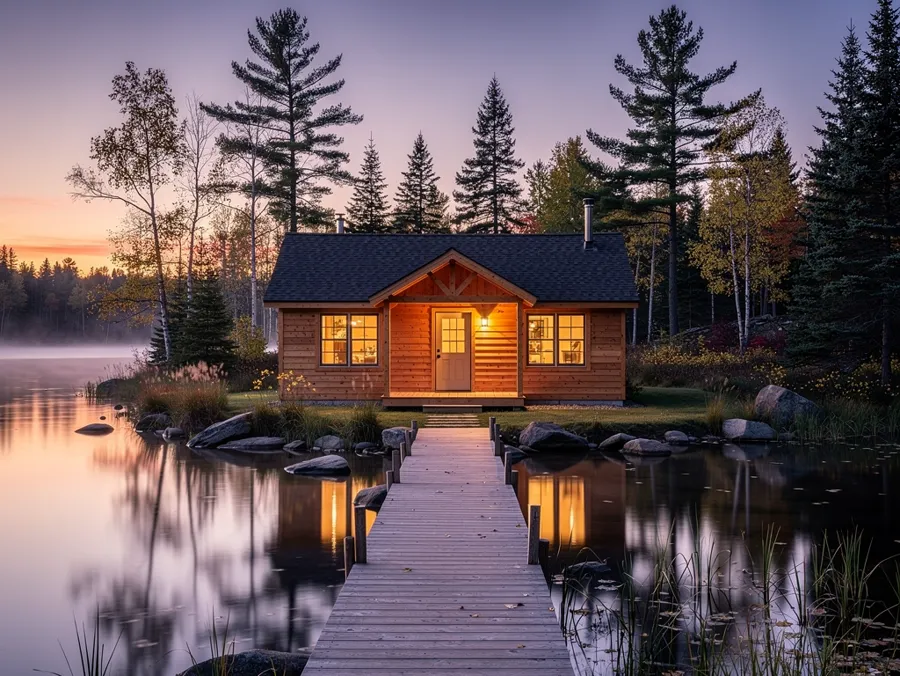
A wood stove can affect your homeowners insurance. Having one does not usually rule a house out, but it is something the insurance company will require to be inspected, and how the stove was installed and kept up can matter regardless of if there has ever been a fire claim. Fire damage from a stove may be covered, subject to the coverage and limits on the policy.
Up here, woodstoves, outdoor wood boilers and supplemental heat are common. You see stovepipes on year-round homes around Onaway and Indian River, on farmhouses out in Presque Isle County, and on cottages on Burt Lake that get used on cold weekends. Winters in Gaylord and Cheboygan run long. In a lot of those houses the stove is doing real work from November to April.
Does a wood stove raise homeowners insurance?
There is no single answer. The heat source is one of several things an insurance company may weigh, along with the age of the roof, the age of the house and how far it sits from a fire station. A stove that is the main heat in a house is a different question than a fireplace insert used a few nights a year.
If you are adding a stove, switching heat sources or shopping your policy, it is worth bringing up. We are an independent agency, which means we can shop for you across many carriers, comparing coverage and rates to give you more flexibility and choice.
What will an insurance company want to know about a wood stove?
An application or renewal may ask questions like these:
- Is it the main heat or a backup? How often the stove runs matters.
- Where is it? In the house, the garage, a pole barn or a cottage.
- Who installed it? Whether it was put in by a professional.
- What kind of stove is it? The make and model, and whether it is a certified unit.
- What is around it? The clearance to walls, floors and furniture.
- When was the chimney last cleaned? And how often it gets done.
Answer these honestly and completely. The questions are there for a reason. If something changes during the policy term, like a new stove in the living room or an outdoor boiler going in out back, tell your agent.
Is a chimney fire covered by homeowners insurance?
Fire is a commonly covered peril on homeowners policies, so damage to the house from a chimney fire may be covered, subject to the coverage and limits on the policy.
There are a few things that can change how a claim is treated:
- Upkeep. Wear and tear and lack of maintenance are common exclusions. A chimney that was never cleaned, or a liner that wore out on its own, may be looked at differently than a sudden fire.
- What was damaged. Damage to the walls, roof and contents is a different question than the cost of repairing the chimney or replacing the stove itself.
- Your deductible. A small scorch or a cracked flue tile may cost less to fix than the deductible on the policy.
The wording varies from policy to policy. Look at the fire and exclusions sections in your own policy, and call or stop in with any questions about what they mean.
What about an outdoor wood boiler or a stove in the pole barn?
An outdoor wood boiler sits in its own small building, so it may fall under the other structures part of your policy, often at its own limit. The same goes for a pole barn or detached garage with a stove in it. Our Indian River home insurance page talks about how docks, pole barns and bunkhouses sit under other structures, and the same thinking applies here.
If the barn is also where you run a side business, like a woodworking shop or small engine repair, mention that too. A business use can raise questions a homeowners policy may not answer on its own.
How can I lower the fire risk from a wood stove this winter?
The U.S. Fire Administration reports that heating fires were the second leading cause of home fires in 2021. These steps come from the U.S. Fire Administration and from the EPA’s Burn Wise best practices:
- Get the chimney cleaned and inspected every year. The U.S. Fire Administration recommends having heating equipment and chimneys cleaned and inspected each year by a professional.
- Give it room. Keep anything that can burn at least 3 feet from the stove, including furniture, curtains, newspapers and books.
- Burn dry wood. The EPA says to season firewood for at least six months, and that wood burns best at a moisture content of less than 20 percent. A wood moisture meter can tell you.
- Start it right. The EPA says never to start a fire with gasoline, kerosene or charcoal starter.
- Handle ashes with care. The EPA advises putting ashes in a covered metal container and storing it outdoors on a surface that will not burn.
- Keep a fire extinguisher handy. The EPA lists this with its safe wood-burning practices.
If you have a seasonal place that sits empty all winter, a stove only heats it while someone is there to feed it. Our post on closing up the cottage for winter covers what a policy may expect when a home is left unoccupied.
Questions about wood heat and your homeowners policy?
If you are not sure how your home insurance treats a wood stove, a chimney fire or an outdoor boiler, call or stop in with your questions. You will talk to an actual person who will be happy to help you. We understand and we are here to help because we live here too.
North Country Insurance Agency has been serving Northern Michigan since 1949. Call 231-238-9882, request a quote online, or stop in at 3785 S. Straits Hwy. in Indian River.
Questions we get asked.
Does a wood stove affect homeowners insurance?
It can. A wood stove does not usually rule a house out, but the insurance company will require it to be inspected, and how the stove was installed and kept up can matter regardless of if there has ever been a fire claim. Tell your agent about any wood stove, fireplace insert or outdoor wood boiler on the property.
Is a chimney fire covered by homeowners insurance?
Fire is a commonly covered peril on homeowners policies, so damage to the house from a chimney fire may be covered, subject to the coverage and limits on the policy. Wear and tear and lack of upkeep are common exclusions, so a chimney that was not maintained may be treated differently. Read the exclusions in your own policy, and call or stop in with any questions.
How often should a wood stove chimney be cleaned?
The U.S. Fire Administration recommends having heating equipment and chimneys cleaned and inspected each year by a professional.
Related coverage
More from the blog
Need home insurance?
We will shop it across our carriers, then call you back and talk it through. No obligation.